
Medford, Massachusetts / Oil & Steam Boiler Repair
Oil & Steam Boiler Repair in Medford
Explore oil burner and steam distribution faults, from ignition lockouts to uneven radiators. Request help for your specific Medford system.
- System-specific guidance
- Clear repair questions
- You approve the work
Know what to ask
Start with the right diagnosis
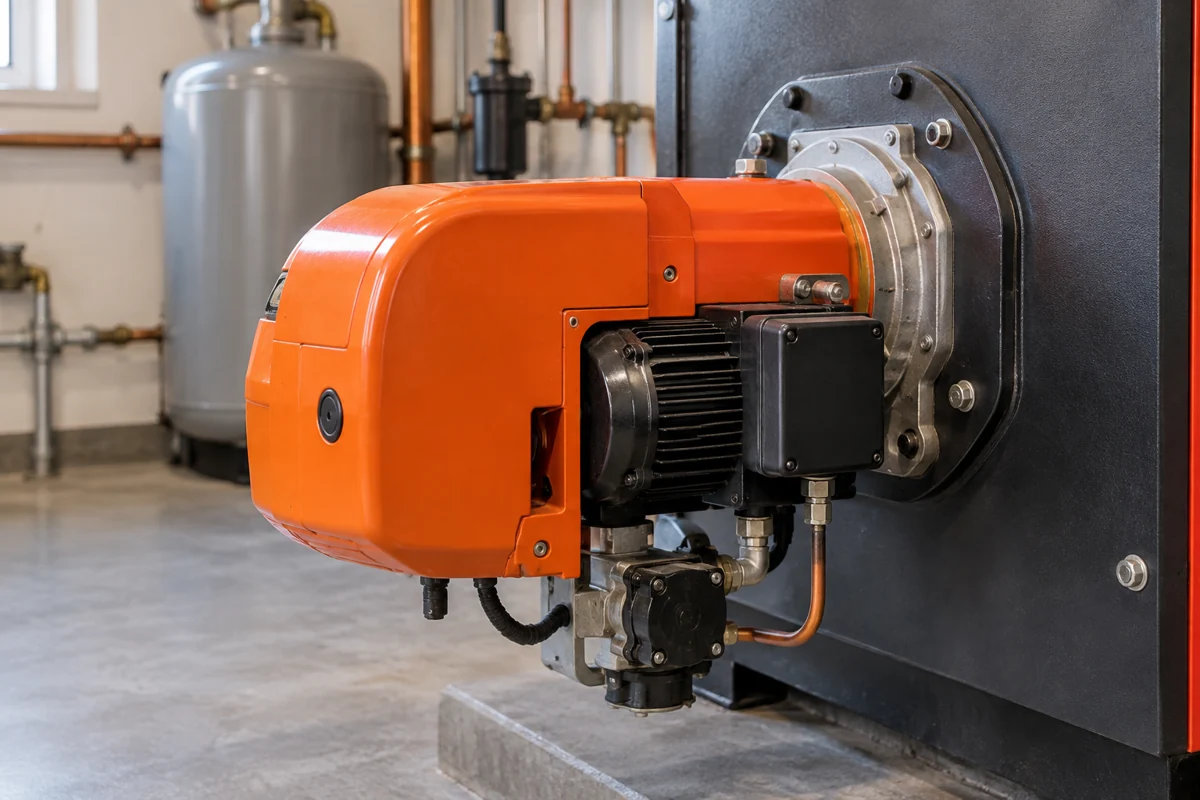
Oil describes a fuel, while steam describes how heat is distributed. An oil-fired boiler may supply either hot-water or steam heating, and a steam boiler may use a different fuel. Keeping those distinctions clear is the first step toward a useful service request. An oil burner that fails to establish a flame needs a different investigation from a steam system that fires normally but leaves distant radiators cold.
01 / SERVICE GUIDE
Identify the side of the problem
The oil burner does not run reliably
Tell the provider whether the burner remains silent, starts without establishing a normal cycle, or locks out after operating. Mention a recent fuel delivery or a known low tank level without assuming either proves the cause. Fuel delivery, ignition, motor operation, and flame supervision may all require assessment. Oil-burner controls should not be repeatedly reset in the hope that the next attempt will succeed.
Steam is produced, but heat is uneven
If the boiler runs while some radiators remain cold, the distribution system deserves attention. Venting, condensate return, radiator arrangements, and control behavior can influence how steam reaches the emitters. Note which rooms warm first, which remain cold, and whether the pattern has changed recently. Turning the pressure up is not a general solution to a distribution complaint.
Water level or operation changes unexpectedly
On a steam boiler with an externally visible gauge glass, unusual level behavior is useful information for a provider. Do not infer that a single observation establishes a safe operating condition. Feeding, return timing, water condition, and protective controls can interact. Opening hot drains or adding water to a potentially overheated boiler is not an appropriate homeowner diagnostic procedure.
02 / SERVICE GUIDE
Oil-burner components and their roles
Fuel delivery and atomization
An oil system must deliver fuel in the condition and manner required by its burner design. Supply piping, filtration, the burner pump, and the nozzle may be relevant to the investigation. A nozzle is specified by more than whether it physically fits. Selection and setup belong with the burner and appliance instructions, and changes should be made by qualified personnel using the required checks.
Ignition and combustion air
The burner needs appropriate ignition and air delivery as well as fuel. Worn or misaligned ignition components, air-path restrictions, and other conditions can affect the sequence, but the complaint alone does not select the repair. Combustion setup requires instruments and the correct procedure. An apparently stronger flame or a quieter sound is not a substitute for verifying the operating conditions.
Flame supervision and primary control
The primary control supervises the burner’s sequence and responds when expected conditions are not established. A lockout can protect against continued unsafe operation. The provider should investigate why it occurred rather than simply clear it. Describe the indicator pattern and recent behavior if safely visible, but leave covers and reset procedures intended for technicians alone.
03 / SERVICE GUIDE
Steam-system components need a different lens
Low-water protection and feeding
Steam equipment includes safeguards and water-management components appropriate to its design. A provider should inspect and test them according to the applicable documentation and service requirements. Their presence does not make casual operation of drains or feed valves safe. A recurring need for water deserves investigation, not acceptance as an unavoidable characteristic of an older system.
Main and radiator venting
Steam must reach the intended parts of the system while displaced air is managed appropriately. The arrangement differs between one-pipe and two-pipe systems, and components should not be interchanged on appearance alone. If a provider recommends a venting change, ask how it relates to the actual piping arrangement and the observed heating pattern.
Returns, traps, and condensate movement
After steam releases heat, condensate must return through the system’s intended path. Some installations include traps or pumped return equipment; others do not. New banging, persistent vent discharge, or delayed recovery can justify a closer assessment. A diagnosis should account for the particular system rather than applying a generic “all radiators need bleeding” explanation borrowed from hot-water heating.
04 / SERVICE GUIDE
A combined burner and distribution assessment
Establish fuel and distribution type
The service provider should confirm both what fuels the boiler and whether the building uses steam or hot water. Share the make and model, any burner label that is externally accessible, and prior service records. State whether the complaint is a failure to fire, a comfort problem, unusual noise, or visible water. Several complaints may coexist and require separate findings.
Investigate the operating sequence
For a burner problem, qualified personnel can follow the manufacturer’s sequence and use appropriate instruments to assess fuel, ignition, air, and control response. For a steam problem, the provider can evaluate water-level behavior, pressure control, and distribution under relevant conditions. These activities involve hazards and are not instructions to perform the tests yourself.
Relate boiler behavior to room performance
A burner repair may restore firing without resolving an existing imbalance in the building. Conversely, a radiator complaint may not require burner replacement. Ask the provider to explain which observations connect the diagnosed fault with the reported symptom. Where another issue remains, record it separately so the completion of one repair does not obscure unfinished work.
Document the return to operation
The final explanation should identify replaced parts, operating checks, any required combustion measurements, and unresolved restrictions. Ask whether the original complaint was reproduced and then reassessed. Keep the service record near your other appliance documents. It becomes especially useful when different providers have previously maintained the burner and the distribution system.
Ready to discuss your heating problem?
Share the symptoms and confirm the next step with an independent provider.
05 / SERVICE GUIDE
Avoid unsafe restarts and hot-water exposure
Do not repeatedly reset an oil burner that fails to establish normal operation. Unresolved fuel or ignition problems require qualified attention. If there is smoke, a suspected fuel escape, fire, or a carbon monoxide alarm, leave the hazardous area and contact the appropriate emergency responders. Do not stay beside the burner to observe another attempted start.
Steam and boiler water can cause severe burns. Leave gauge-glass fittings, drains, safety valves, and hot piping untouched. Never obstruct a safety-valve discharge. Where the boiler has shut down on a protective condition, follow only the owner guidance for the exact model and seek professional assessment rather than trying to override the protection.
06 / SERVICE GUIDE
Booking the right expertise
Ask whether the independent provider works on both your burner type and your steam or hydronic distribution arrangement. Experience with one does not automatically establish familiarity with the other. Describe any building access requirements, where the equipment is located, and whether multiple occupants depend on it. Confirm the diagnostic charge and how additional work will be approved.
Before agreeing to a broad replacement, request a distinction between the immediate failure and any longer-term improvement. A quote for burner work, venting corrections, return-pipe repairs, or boiler replacement should state what is included and what will remain unchanged. Avoid accepting a universal pressure adjustment as the answer to every steam-heating concern.
07 / SERVICE GUIDE
Oil and steam heating questions
Should a steam radiator be bled like a hot-water radiator?
No general advice should be transferred between those systems. Their air and water arrangements differ. Identify the system first and let a qualified provider assess its venting and distribution. Report the cold-room pattern rather than opening an unfamiliar radiator fitting.
Can fuel delivery solve a burner lockout?
A lack of fuel can be relevant, but a delivery does not establish that the burner is ready to operate normally. Inform the provider if the tank ran low and let them determine what checks are needed. Avoid repeated restart attempts or opening the oil line yourself.
Why do I hear banging after the boiler fires?
The timing and location matter. Steam distribution, condensate movement, piping, or other conditions may require assessment. Note whether the sound comes from the boiler, a main pipe, or one radiator. Sound alone cannot determine the repair or justify raising operating pressure.
How do I request an appointment?
Send the fuel and distribution details through Request Service. For building-wide interruptions, see emergency boiler service; for cold emitters, review radiator repair. Independent providers determine availability, perform the work, and explain their own charges and warranty terms.
Sources & further reading
Manufacturer references illustrate model-specific requirements. Use the manual for your own equipment; these references are not universal repair instructions.
Take the next step.
Tell us where help is needed and what your system is doing.