
Medford, Massachusetts / Commercial Boiler Repair
Commercial Boiler Repair in Medford
Plan a commercial boiler service visit in Medford with clear access, approval, plant diagnosis, and restoration checks for occupied buildings.
- System-specific guidance
- Clear repair questions
- You approve the work
Know what to ask
Start with the right diagnosis
A boiler fault in a commercial or managed building is also an operational problem: different zones may serve different occupants, access may be controlled, and repair approval may involve more than one person. The first task is to define the interruption clearly. A failed boiler in a multi-boiler plant, a single cold zone, and a loss of domestic hot water can require different expertise, scheduling, and contingency planning.
01 / SERVICE GUIDE
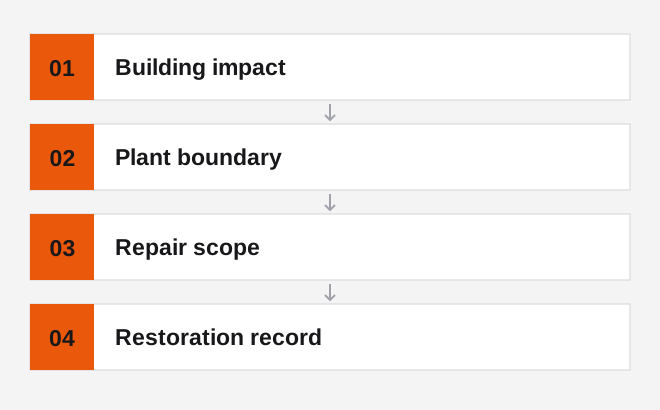
Define the building impact
Whole-building interruption
Identify which services depend on the affected plant: space heating, domestic hot water, or another permitted building function. State whether any equipment remains operational and whether a building-management system reports an alarm. Do not assume that a second boiler is available or suitable to carry the load. Its status, controls, and safe operating role need confirmation by responsible personnel and the service provider.
Partial or tenant-specific loss
If one tenancy or floor is affected, gather reports from the occupied area before declaring a central-plant failure. A zone valve, pump, local control, or distribution fault can leave other areas functioning. Identify the relevant thermostat or management-system zone if known. Avoid making unrecorded changes to unrelated controls because they can erase useful evidence and disrupt occupants who currently have heat.
Recurring alarms without a continuous outage
An intermittent alarm can still indicate a material operating problem. Preserve alarm timestamps and distinguish acknowledged, cleared, and recurring conditions. The provider should know whether the plant recovers automatically, requires operator intervention, or remains unavailable. A fault history gives more context than a photograph of a normal display after the event has passed.
02 / SERVICE GUIDE
Systems that may need separate assessment
Boiler and burner equipment
The appliance, burner, fuel train, ignition arrangement, and protective controls must be understood as a particular installation. Commercial work may involve equipment and control schemes beyond ordinary residential service. Provide model details, fuel type, and available documentation when seeking help. The independent provider should confirm that the equipment and proposed work fall within their competence and applicable credentials.
Pumps, headers, and distribution
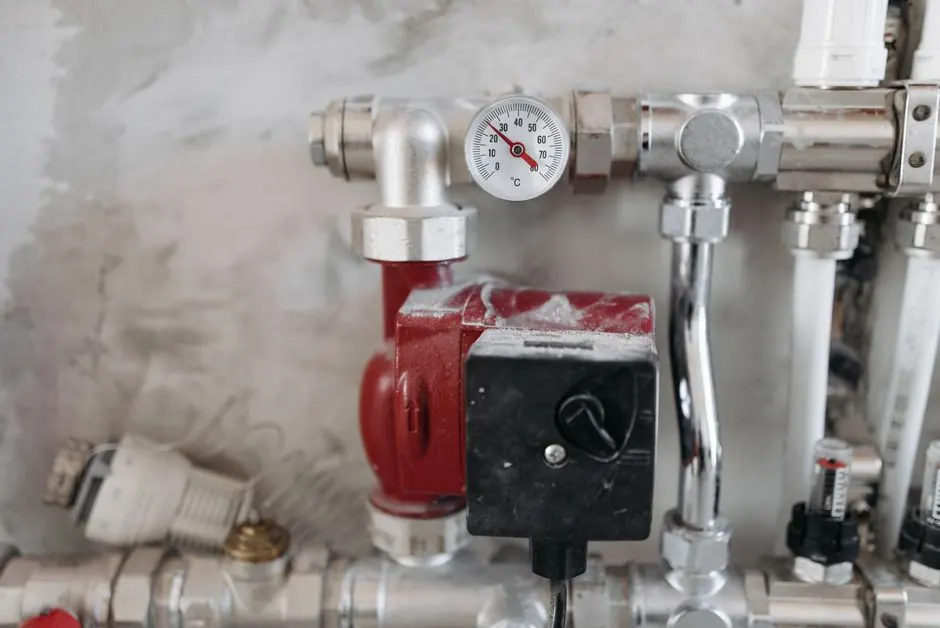
A functioning burner does not establish that heat is reaching the intended loads. Circulation equipment, isolation arrangements, common headers, and individual branches can influence performance. The provider may need to distinguish plant production from distribution. Ask whether the quoted investigation covers both areas or only the boiler itself, especially if the original complaint is poor heat in one part of the building.
Sequencing and building controls
Where several boilers or pumps operate together, sequencing and external control signals can affect when each unit runs. A controller may be responding to a schedule, sensor, interlock, or demand condition rather than a mechanical failure. The service provider and building-controls contractor may need to coordinate. Changes should be recorded so that an apparent short-term improvement does not create an undocumented control conflict.
03 / SERVICE GUIDE
A structured commercial service visit
Review scope, authority, and access
Identify the building contact, the person authorized to approve costs, and the operator familiar with the plant. Provide mechanical-room access requirements and relevant site rules. If tenants or businesses will be affected by isolation, arrange the necessary communication before work begins. A service visit should not depend on discovering during arrival who has the key or who can authorize the next diagnostic step.
Establish a safe diagnostic boundary
The provider should determine which equipment is involved and what must be isolated or controlled for the planned tests. Shared systems can have multiple energy sources or operating permissions. Qualified personnel must use suitable procedures for the installation. This page does not provide instructions for bypassing interlocks, opening fuel trains, or manipulating plant controls to force equipment into operation.
Collect evidence across the failure path
Useful evidence can include appliance fault history, relevant sensor readings, operating sequence, pump response, and observations from the affected zones. The right set depends on the plant. Ask the provider to distinguish a confirmed defect from a working hypothesis and to explain what further access or testing is needed. Replacing several components together can make a diagnosis harder to evaluate if the rationale is unclear.
Agree repair and restoration checks
The proposed work should identify parts, labor, isolation needs, expected interruption, and any separately quoted controls or distribution work. After repair, restoration should address the original operational complaint rather than only a burner start. Ask which zones, operating modes, alarms, and safety functions were checked, and how any unresolved restrictions will be communicated to the responsible operator.
04 / SERVICE GUIDE
Information for a property manager or facilities contact
Prepare an equipment list with visible make, model, fuel, and unit identifiers. Add recent service records, recurring fault descriptions, and the dates of relevant building changes. If a controls trend or alarm log is available through normal authorized access, preserve it for the provider. Do not grant unrestricted remote access to building systems merely to arrange an appointment.
Describe business constraints precisely: a customer-facing opening time, a planned vacancy window, or a shared hot-water requirement. Those details help the provider discuss scheduling, but they do not guarantee a completion deadline. If temporary arrangements are required, agree who is responsible for selecting and approving them, and obtain a clear explanation of their limitations.
Ready to discuss your heating problem?
Share the symptoms and confirm the next step with an independent provider.
05 / SERVICE GUIDE
Occupant protection and unsafe plant conditions
A gas odor, carbon monoxide alarm, fire, or significant fuel escape requires the appropriate emergency response. Follow the building’s emergency procedures, leave affected areas, and contact emergency services or the utility from a safe location. An online referral form should not delay that response. Building staff should not re-enter a hazardous plant room to obtain serial numbers or reset an alarm.
Keep unauthorized occupants away from equipment, hot discharge, and wet electrical areas. Do not defeat a protective control to maintain business operations. Where a provider advises that equipment remain out of service, record the restriction and communicate it to anyone who might restart it. Operational pressure is not evidence that continued operation is safe.
06 / SERVICE GUIDE
Compare quotations on a common scope
One quotation may cover only a failed part while another includes testing, controls coordination, and restoration of affected circuits. Compare the actual scope before comparing totals. Clarify diagnostic charges, parts lead times, access equipment, after-hours costs, and responsibility for making good disturbed finishes where relevant. Ask how additional findings will be priced and approved rather than allowing an open-ended instruction to repair everything.
For major recommendations, request a distinction between urgent repair, reliability work, and optional modernization. Replacement may require broader design and installation decisions that are outside the initial fault visit. A building should not be treated as a larger version of a single domestic heating circuit without considering its actual operating requirements.
07 / SERVICE GUIDE
Keep a usable plant record
After the visit, retain the diagnosis, work completed, replaced-part identifiers, test results supplied by the provider, and any changed settings. Note remaining recommendations separately from completed work. Where several contractors maintain different parts of the installation, distribute the relevant record to the responsible building contact so the next visit starts from established information.
A repeated alarm should be reported with its new timestamp and the operating conditions, not simply marked “same problem.” The follow-up may reveal an intermittent condition or a separate fault. Clear records improve the discussion without claiming that every future failure could have been predicted or prevented.
08 / SERVICE GUIDE
Commercial boiler service questions
Can any residential boiler contractor repair a commercial plant?
Do not assume so. Ask the provider to confirm experience with the specific equipment, control arrangement, fuel, and work scope, together with relevant qualifications and insurance. The size of the building alone does not determine the expertise required, and a referral does not verify credentials on the owner’s behalf.
Can other boilers remain in service during a repair?
That depends on the plant’s design, isolation arrangements, controls, and the work being performed. A qualified provider must determine whether continued operation is appropriate. Do not assume redundancy simply because more than one appliance is installed.
What if the heating fault is in the controls system?
The boiler provider may need to coordinate with a controls specialist or the building’s existing maintenance contractor. Ask for the evidence distinguishing a boiler defect from an external command or sensing problem. Agree who will manage that coordination and confirm the final operating result.
How should a business request help?
Submit the equipment type, building impact, access contact, and approval contact through Request Service. For a specific symptom, review leak and pressure repair or ignition diagnosis. Boiler Repair Pro connects inquiries with independent providers; it does not operate a commercial repair crew or guarantee availability.
Sources & further reading
Manufacturer references illustrate model-specific requirements. Use the manual for your own equipment; these references are not universal repair instructions.
Take the next step.
Tell us where help is needed and what your system is doing.